
Code-Compliant Detection for Commercial Properties
Life Safety & Fire Alarm Systems in Belgrade for commercial buildings and multi-unit properties requiring code-compliant fire detection
Commercial buildings and multi-unit properties in Belgrade require fire detection and alarm coverage that meets code requirements for occupancy type, square footage, and egress paths. Platinum Tech Services installs life safety and fire alarm systems designed to provide early warning, guide occupants toward exits, and notify monitoring stations when smoke or heat detection triggers an event. The installation determines how quickly occupants are alerted, whether suppression systems activate automatically, and how first responders receive critical information about the location and nature of the alarm.
System design begins with code analysis for your building class and occupancy load, followed by detector and strobe placement that covers all required zones, central station monitoring setup to ensure 24/7 response capability, and testing protocols to verify every device activates under alarm conditions. Placement decisions account for ceiling height, airflow patterns, and building materials that affect how smoke disperses and how sound travels during an emergency.
Arrange a property evaluation to determine code requirements and design a system that addresses your building's specific layout and occupancy characteristics.
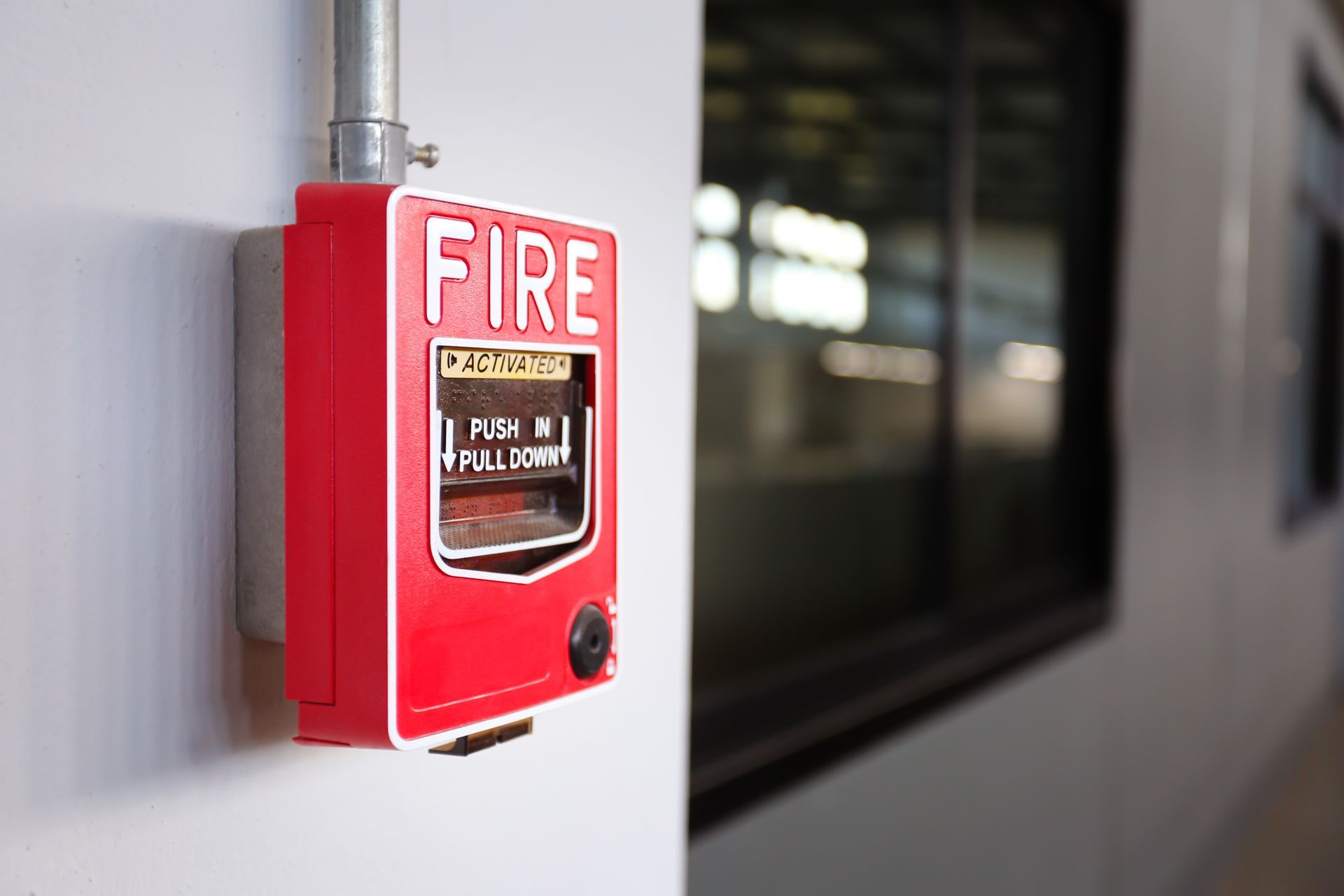
How Fire Alarm Installation Addresses Detection Needs
Life safety system installation involves mounting smoke detectors, heat sensors, and manual pull stations at intervals dictated by building code, running supervised circuits that report faults immediately if wiring is damaged, and programming control panels to differentiate between alarm zones so that responders know which area of the building triggered the event. Strobe placement must meet spacing requirements so that visual alerts reach occupants even in high-noise environments.
Once the system is operational, occupants hear audible alerts throughout the building when any detector activates, visual strobes provide redundant warning for hearing-impaired individuals, and central station monitoring automatically notifies emergency services with your building address and alarm zone. The system eliminates delays caused by relying on someone to manually call for help, and it ensures that alarms occurring overnight or in unoccupied areas still receive immediate response.
Annual testing and inspection maintain system certification and ensure that detectors remain sensitive to smoke conditions as dust accumulation or component aging can reduce detection reliability. Battery backup systems provide continued operation during power outages, which is critical in Montana where winter storms can interrupt electrical service for extended periods.
Answers to Frequent Service Questions
Property owners and facility managers often need clarity on code compliance, system testing, and monitoring logistics before scheduling installation.
What determines detector placement in a commercial building?
Code requirements specify maximum spacing based on ceiling height and room configuration, while practical considerations include avoiding placement near HVAC vents where airflow can delay smoke detection or cause false alarms from dust circulation.
How does central station monitoring work after installation?
When any detector activates, the control panel sends a signal to a monitoring center staffed 24/7, operators verify the alarm and immediately dispatch fire services to your Belgrade property with zone information indicating which area triggered the event.
Why do fire alarm systems require annual testing?
Montana freeze-thaw cycles and seasonal temperature swings can affect detector sensitivity and circuit integrity; annual testing confirms that every device activates correctly and that notification signals reach the monitoring station without delay.
What happens if the system detects a fault condition?
Supervised circuits continuously monitor wiring integrity, so if a wire is cut or a detector is removed, the control panel immediately signals a trouble condition and alerts the monitoring station before an actual fire event occurs.
How long does installation typically take for a commercial property?
Timeframes depend on building size, occupancy type, and whether existing infrastructure can be reused, but most installations involve multiple days for wiring runs, device mounting, programming, and final inspection by authorities having jurisdiction.
Platinum Tech Services installs life safety systems that meet Belgrade code requirements and provide reliable detection across commercial and multi-unit properties. Contact our team to schedule a code consultation and system design review tailored to your building's occupancy and layout.